
Frozen shoulder
Dealing with Frozen shoulder
Keeping active
Try and move your shoulder as much as your pain allows. Where you can, try to continue your normal routine including work, hobbies and social activities.
You may have to change how you do some activities because of pain, but stopping using the shoulder altogether can make the shoulder stiffer and slow your recovery in the long run.
Research has shown that general exercise helps recovery and acts as a natural pain reliever. There is no set approach that has been shown to be the best, so feel free to try different types of exercise and activity. Be guided by what you enjoy and what you feel able to start. An example may be a brisk walk, a bike ride or an aqua-aerobics class.
Heat or Ice treatment
Heat packs
You may find that applying heat to the sore area helps relieve your pain and any associated muscular tightness or spasm. Use a microwaveable wheat bag or a hot water bottle wrapped in a towel. Keep it on for 15 – 20 minutes, checking your skin regularly to minimise the risk of suffering burn. Repeat 2-3 times per day. Do not place heat on a swollen body part.
Ice packs
This can help to temporarily numb pain. Apply an ice pack (or a bag of frozen vegetables wrapped in a tea towel) to the area for up to 10 minutes, 2-3 times per day.
Pain medication
Taking pain medication may control the pain so that you can keep mobile. Speak to your GP or a pharmacist for further advice.
Further Treatment
Physiotherapy
The evidence has shown that the best first-line management of frozen shoulder is physiotherapy. Physiotherapy should include active strategies such as targeted and individualised exercises. It can often take several months of consistent rehabilitation before you start to see improvements, so be patient and work with your physiotherapist to get the most from your programme.
Steroid injections
In some cases when pain is severe, a steroid injection may provide short term pain relief which can then help you exercise more easily. They are most effective when given in the early painful stage.
Studies show that steroid injections, especially when combined with a home exercise programme, improve pain and function. It is not a cure but it may settle pain temporarily and is often considered if pain is severe and impacting on aspects of your life such as sleep. If in doubt, ask your healthcare professional if this is an option for you.
Surgery
Surgery is rarely offered as the majority of people’s symptoms improve with exercise and time.
General Activity
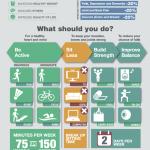
If you are local to Sheffield and you would like support to increase your physical activity, then you can:
- Self-refer to Move Well for personalised support and access to a wide range of physical activity opportunities, tailored to your specific needs and preferences.
- Find sport, leisure and activity groups in your local area.
- Visit our page on physical activity under the wider health section of the website for further guidance and support to increase your activity.